Overview

After over four years of clinical practice and research, Dr. Brianna Potter and Dr. Chris Orton from Colorado State University (CSU) recently led the publication of a research report on the clinical feasibility of the V-Clamp for transcatheter edge-to-edge repair of canine mitral valve regurgitation. The study highlights the effectiveness and safety of the V-Clamp device in treating severe degenerative mitral valve disease (MMVD) in dogs:
✅ 96% surgical success rate
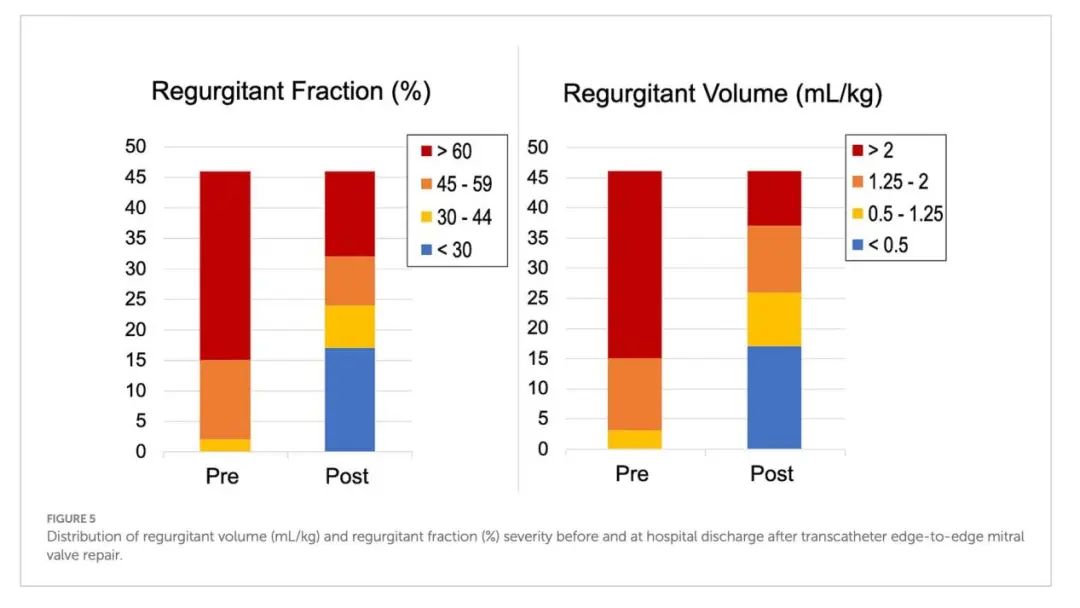
✅ Average reduction of mitral regurgitation volume by 50%
✅ Rapid recovery with low risk
Although these are short-term clinical data, they provide robust evidence of the V-Clamp's efficacy and safety, marking a transformative step forward in the veterinary field’s fight against canine MMVD. We look to the future with optimism, confident that the V-Clamp will continue to play a pivotal role in advancing the treatment of canine MMVD.
The research was designed and organized by the Dept. of Clinical Sciences and James L. Voss Veterinary Teaching Hospital, CVMBS, CSU, Fort Collins, CO, USA. The research was to verify the feasibility of the V-Clamp device in the treatment of canine MMVD. The research sample is a group of 50 client-owned dogs with degenerative MR who received the V-Clamp procedure over a 28-month period.
Highlights
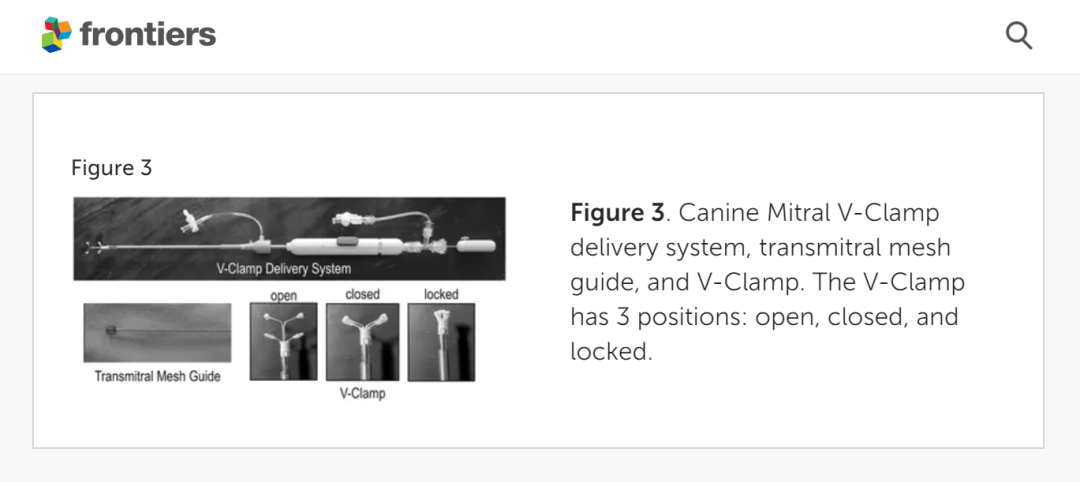
The report introduces the V-Clamp as a canine mitral valve device that consists of a V-Clamp delivery system, transcatheter, and V-Shape clamp developed and manufactured by Shanghai Hongyu Medical. And the V-Clamp procedure is a TEER technique that involves deploying the canine mitral V-Clamp via a transapical approach, utilizing transesophageal echocardiographic and fluoroscopic guidance to precisely clamp the anterior and posterior leaflets of the mitral valve, ultimately reducing mitral regurgitation.
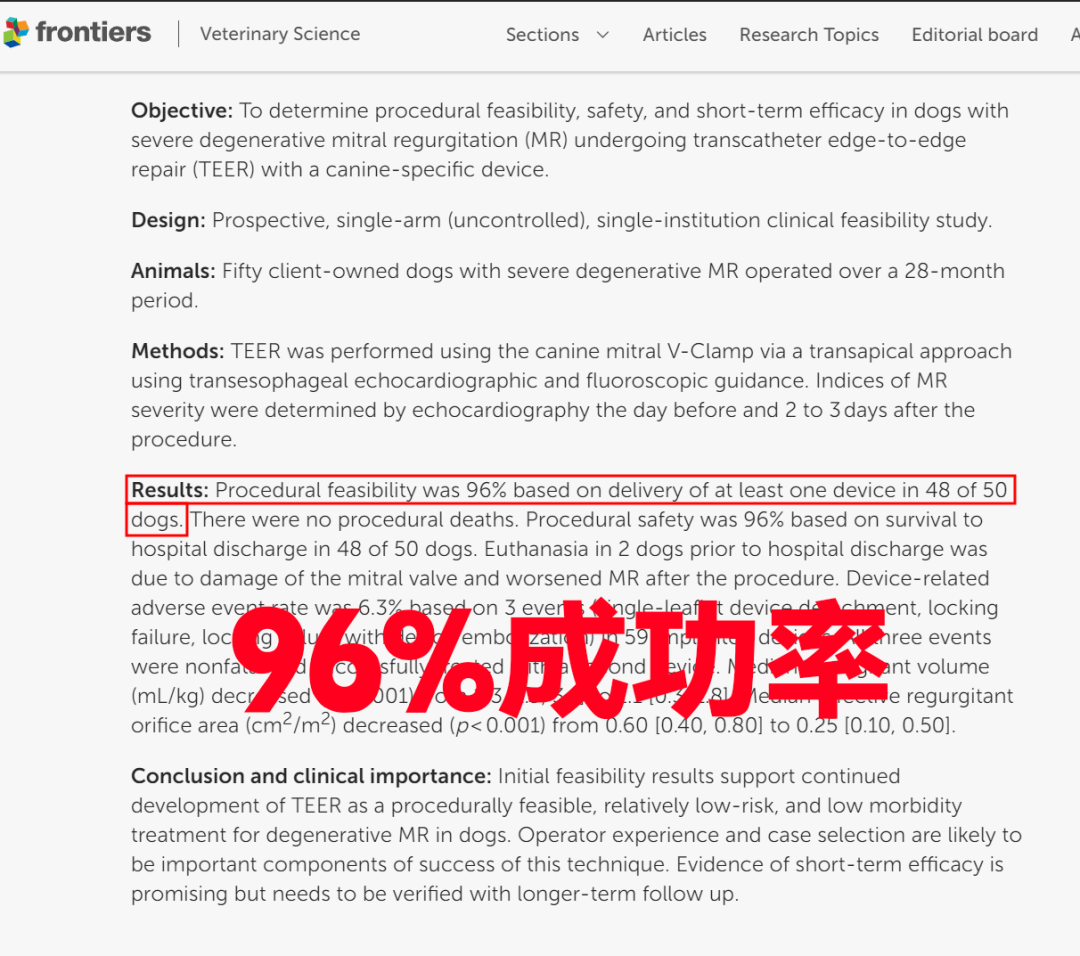
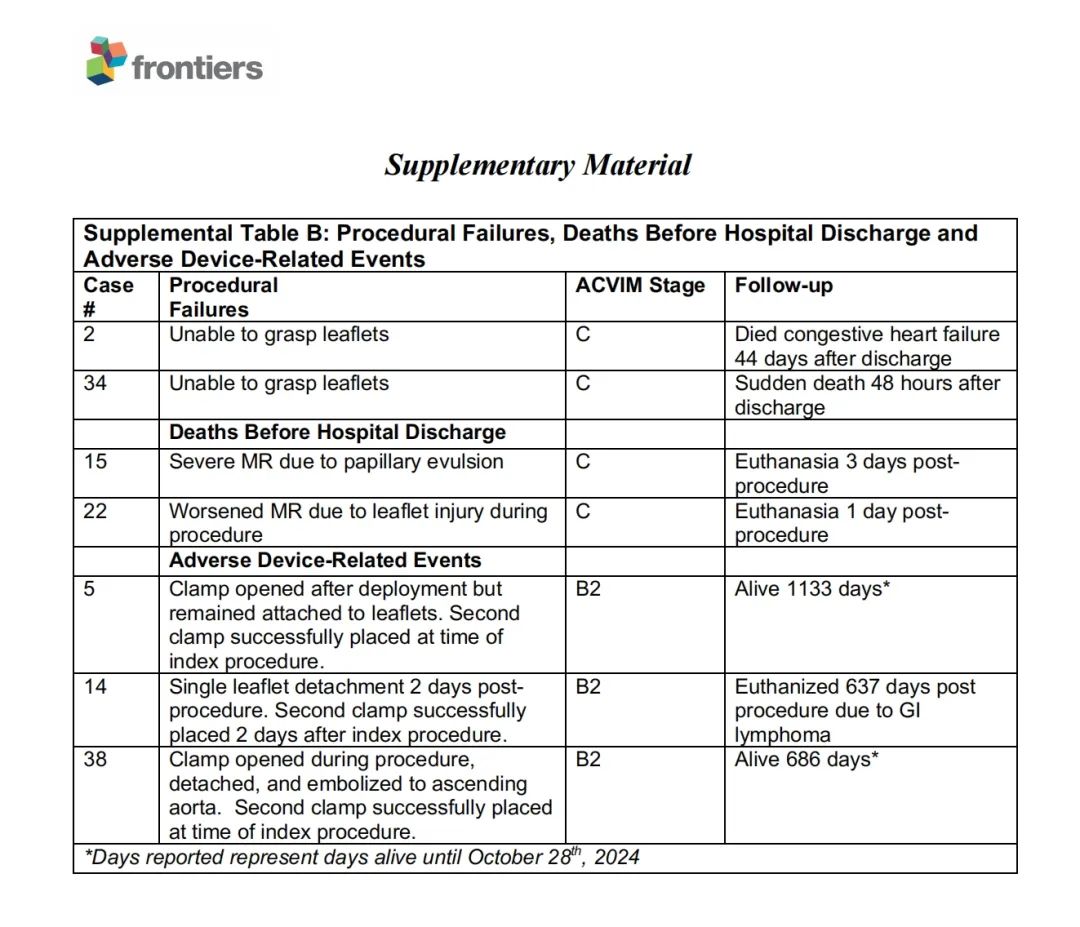
Throughout the course of the research, a total of fifty-six dogs underwent general anesthesia for pre-procedural transesophageal echocardiography (TEE). Six dogs were deemed unsuitable for TEER due to unfavorable mitral valve anatomy (such as severe leaflet flail or significant involvement of non-central segments) and/or an inappropriate AP dimension, and were excluded from the procedure. Fifty dogs underwent TEER, and these were included in the analysis. The procedural feasibility was 96%, based on the successful deployment of at least one clamp in 48 out of 50 dogs. In two cases, the V-Clamp device was not implanted due to failure to capture the leaflets, and both dogs were discharged from the hospital. One of the dogs passed away six weeks post-surgery due to progressive heart failure, while the other died suddenly the day after discharge. Procedural safety was 96%, as 48 out of 50 dogs survived to hospital discharge, with no intraoperative deaths. Two dogs were euthanized before discharge due to worsened mitral regurgitation following the procedure. Overall procedural success, defined as successful deployment of at least one clamp and hospital discharge, was 92%. The median total procedure time (from intubation to extubation) was 190 minutes [175-205 minutes].
A total of fifty-nine V-Clamps were delivered to 48 dogs, with nine dogs receiving two clamps and one dog receiving three. The adverse device-related event rate was 6.3%, based on three nonfatal events, all attributed to operator error and inexperience.
Details
Event 1:
In two of the events, the clamp became unlocked shortly after deployment. In one case, the clamp remained attached to the valve, while in the other, the clamp detached, released from the valve, and embolized to the aorta. The embolized clamp was not retrieved, but the patient remained asymptomatic post-operatively and was kept on long-term clopidogrel, with no anticoagulants required. In both of these cases, a second clamp was successfully deployed during the initial procedure.
Event 2:
The third event involved a single-leaflet device detachment 30 hours after the procedure. A second clamp was successfully implanted during a follow-up procedure two days after the original one.
These events highlight some surgical challenges but also demonstrate the success of subsequent interventions, with the dogs recovering well post-operatively. All dogs were able to walk within 24 hours after the procedure. The median hospitalization for the dogs discharged was 2 days.
Outcomes
Pre- and Post-Regurgitation Comparison

Discussion
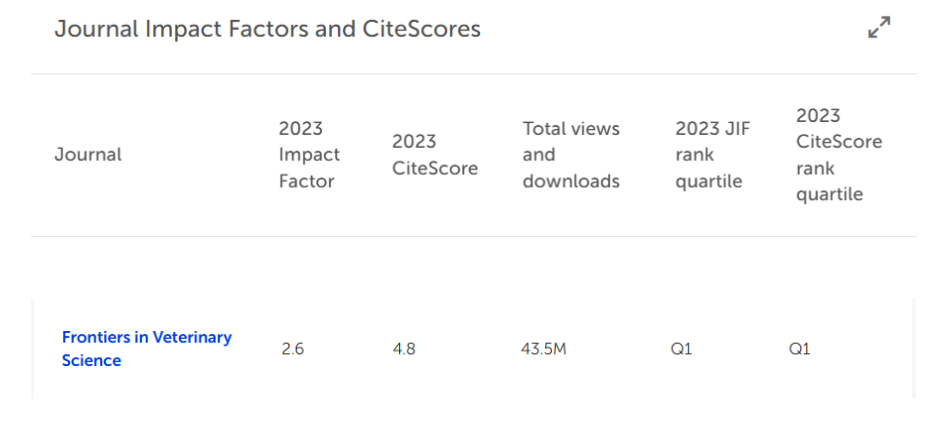
Frontiers is an open-access publisher headquartered in Switzerland, committed to high-quality, peer-reviewed journals in the fields of science, technology, and medicine, covering multiple disciplines. As a leading global academic publishing platform, some of Frontiers' journals have entered the high-ranking quartiles of the Journal Citation Reports (JCR), an authoritative journal evaluation report published by Clarivate Analytics, demonstrating outstanding academic influence.
In the field of veterinary science, Frontiers' impact continues to rise, with its flagship journal Frontiers in Veterinary Science covering a broad range of topics, including animal health, diagnostics, veterinary pharmacology, and more. This journal is not only indexed in major academic databases such as Web of Science, but its citation rate has steadily increased, making it an important academic resource for researchers and practitioners in the veterinary field. Moreover, Frontiers in Veterinary Science focuses on cutting-edge issues in global veterinary medicine, providing critical support for academic innovation and practical development.
About Shanghai Hongyu Medical
Closing Notes
Established in 2019, Shanghai Hongyu Medical Technology Co., Ltd. is a global leader in veterinary cardiology, focusing on the diagnosis and treatment of heart diseases in pets. With its core product, the V-Clamp for minimally invasive mitral valve disease treatment in dogs, Hongyu Medical is expanding into diagnostics, treatment, and monitoring for various cardiac conditions, offering a comprehensive solution for pet heart disease. In addition to developing, manufacturing, and selling veterinary cardiac devices, Hongyu Medical promotes collaboration and knowledge-sharing among veterinarians worldwide by providing training on heart disease diagnosis, treatment, and care for animals.