Case Background
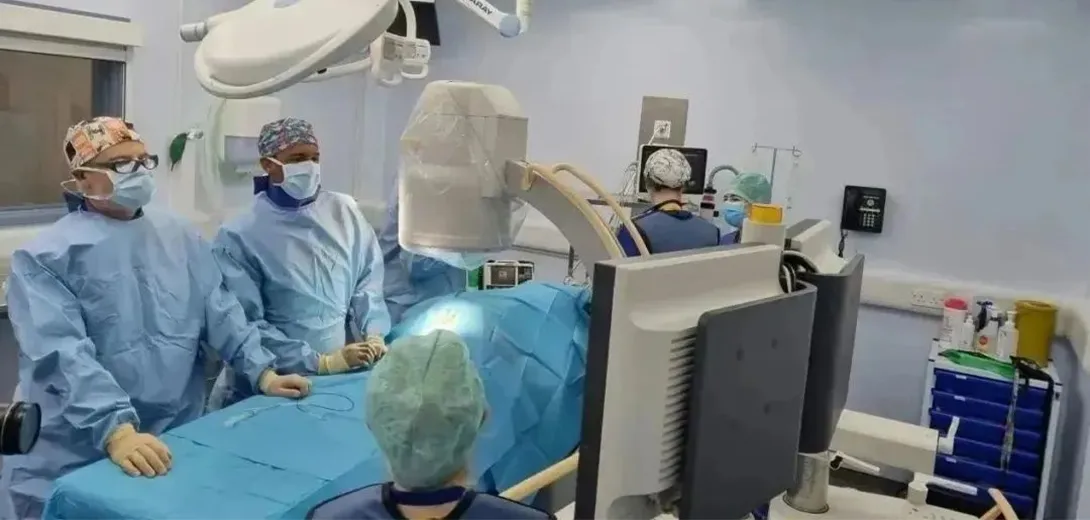
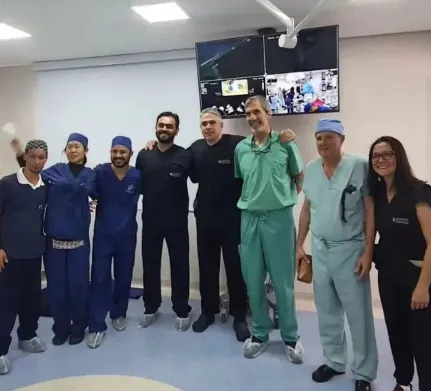
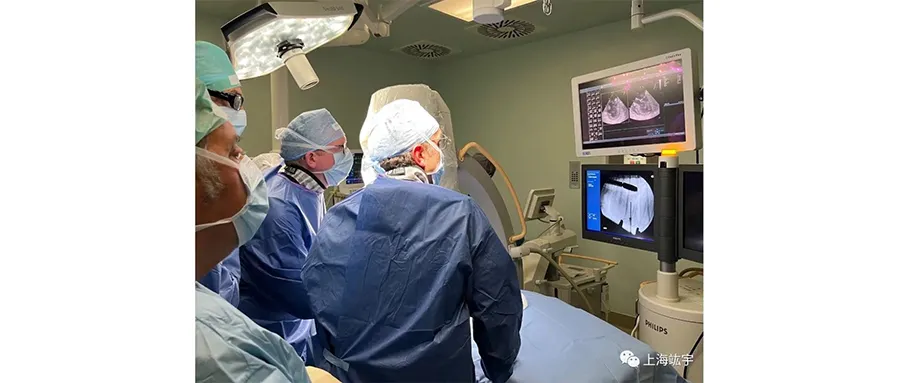
In May of this year, Langford Vets in the UK successfully completed two V-Clamp extracardiac interventional operations with the technical support and cooperation of CSU in the US. After surgery, the team of physicians analyzed the safety, related drug dosage and rehabilitation effect of this pioneering treatment plan.
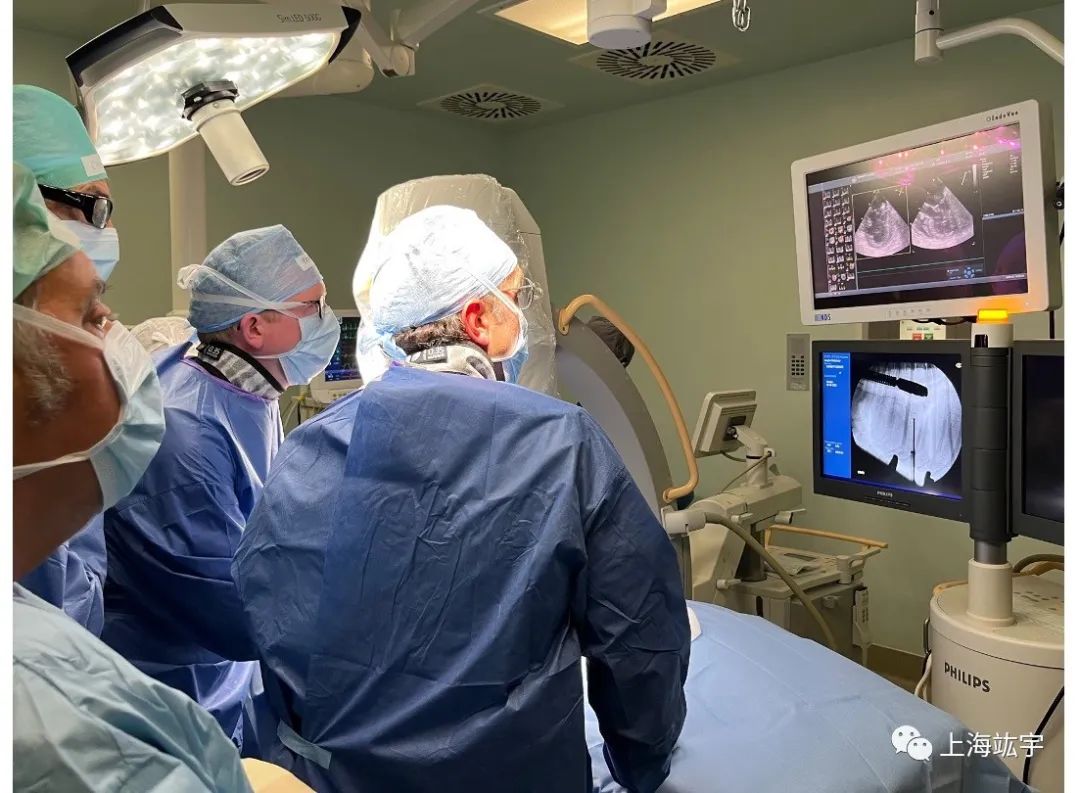
Dr. Kieran Borgeat from the Langford Vets team in the UK said:
"V-Clamp surgery is a pioneering treatment option for canine mitral regurgitation disease. We are very pleased to be the first veterinary clinic in Europe to perform this procedure and to successfully complete two cases of severe mitral regurgitation in dogs. "
Clinical Presentation
Case situation

Miniature Schnauzer 8 years old, 8.1kg Severe mitral regurgitation stage B2
Procedure & Outcome

King Charles Spaniel 10 years old, 7.4kg Severe mitral regurgitation stage B2
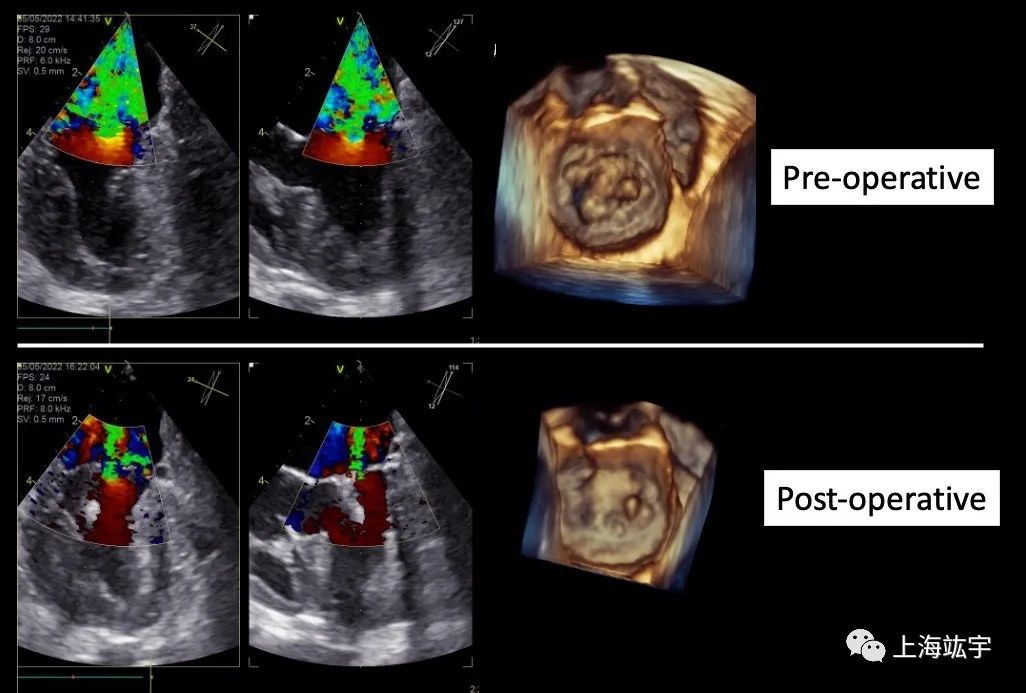
Postoperative improvement in mitral regurgitation symptoms and heart size in dogs
Follow-up & Insights
Case release original text
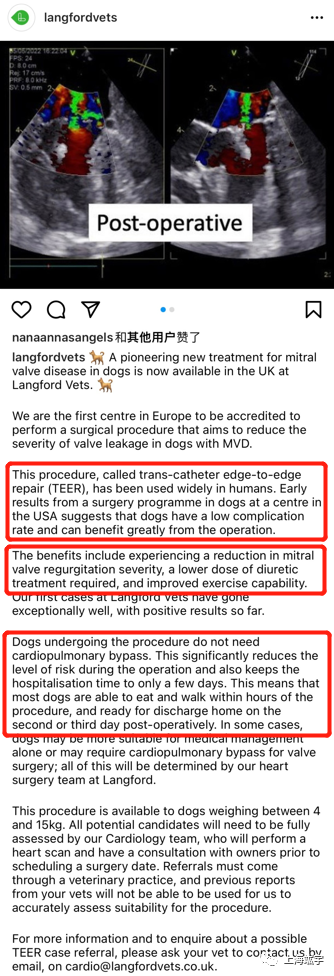
Langford Vets released a detailed analysis of V-Clamp surgery and a comparison of postoperative indicators on its official account. The text states:
“This procedure, called trans-catheter edge-to-edge repair (TEER), has been used widely in humans. Early results from a surgery programme in dogs at a centre in the USA suggests that dogs have a low complication rate and can benefit greatly from the operation.”
Discussion
“The benefits include experiencing a reduction in mitral valve regurgitation severity, a lower dose of diuretic treatment required, and improved exercise capability. Our first cases at Langford Vets have gone exceptionally well, with positive results so far.”
“Dogs undergoing the procedure do not need cardiopulmonary bypass. This significantly reduces the level of risk during the operation and also keeps the hospitalisation time to only a few days. This means that most dogs are able to eat and walk within hours of the procedure, and ready for discharge home on the second or third day post-operatively.”
About Langford Vets
Closing Notes