Case Background
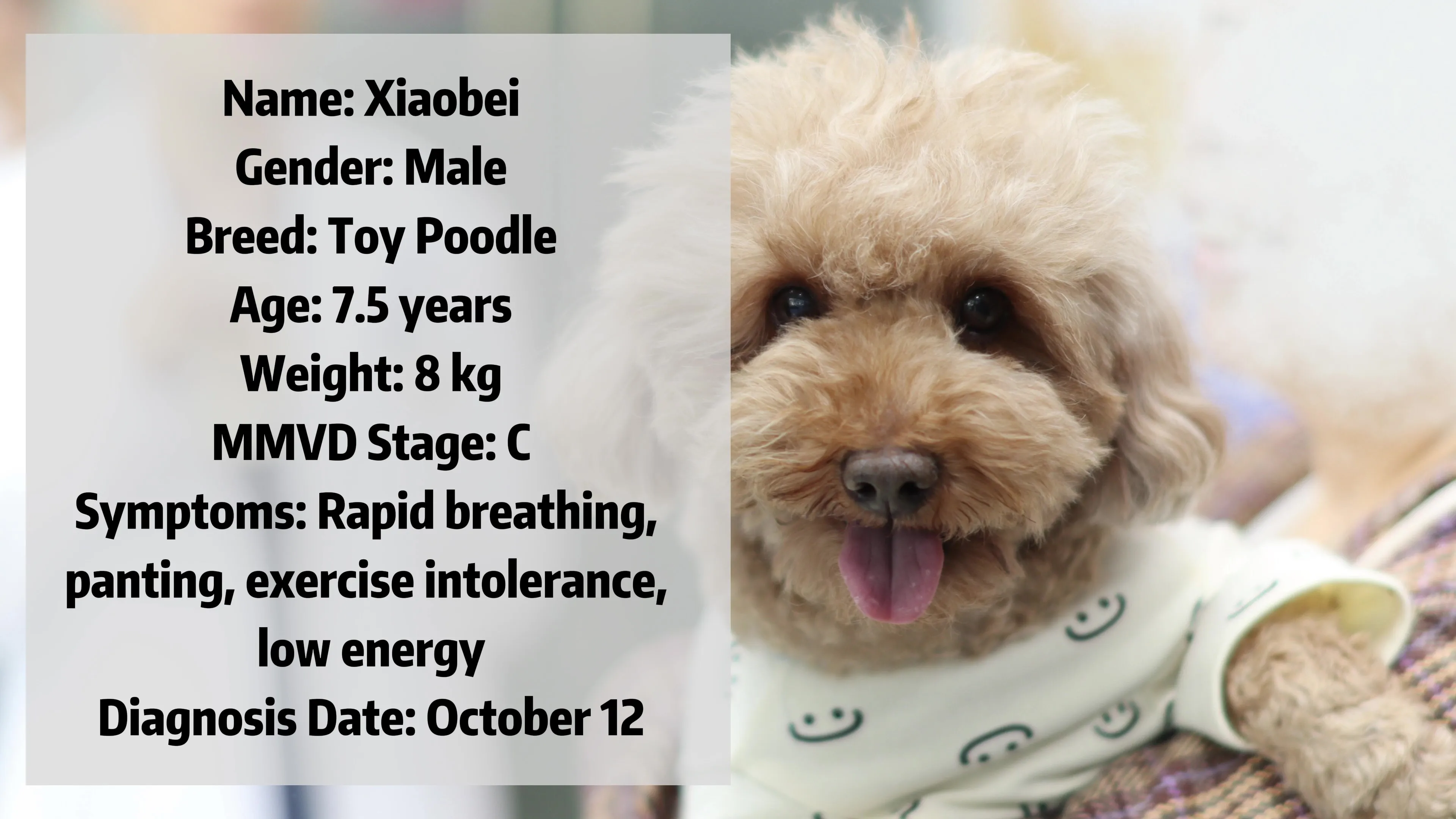
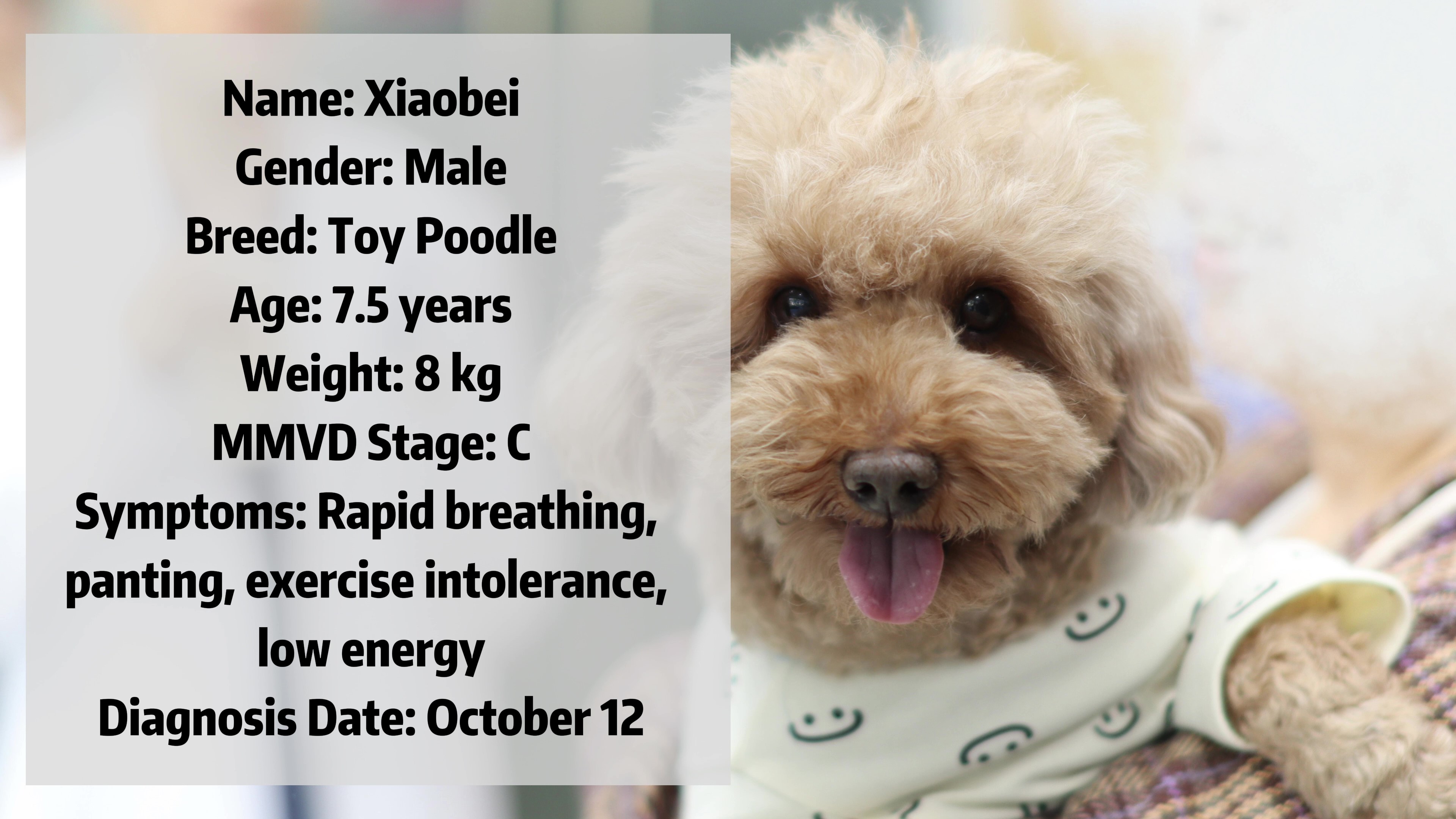 On November 2, 2024, Xiaobei and his family arrived at Shanghai Xinyu Animal Hospital after a long journey from Beijing. The family made the courageous decision to bring Xiaobei to Shanghai for surgery, covering approximately 1,200 kilometers by car, as his heart condition made it unsafe to fly. The drive took nearly two days, crossing multiple provinces.
Xiaobei, an intelligent and lively boy, was close to eight years old when his family noticed signs of heart disease (rapid breathing, panting, exercise intolerance, and low energy) in mid-October. They quickly took him to the hospital, where he was diagnosed with Stage C Myxomatous Mitral Valve Disease (MMVD). His father, brother, and aunt were also diagnosed with MMVD, indicating a possible genetic component. With Xiaobei’s father as a precedent, the family was especially attentive to his condition, immediately seeking treatment options upon noticing his symptoms. Xiaobei’s father had been diagnosed with MMVD around the same age and, heartbreakingly, passed away a year and two months after diagnosis. The family now hoped Xiaobei could receive optimal care, enhancing his quality of life and extending his time with them.
Pre-Surgery Examination
Clinical Presentation
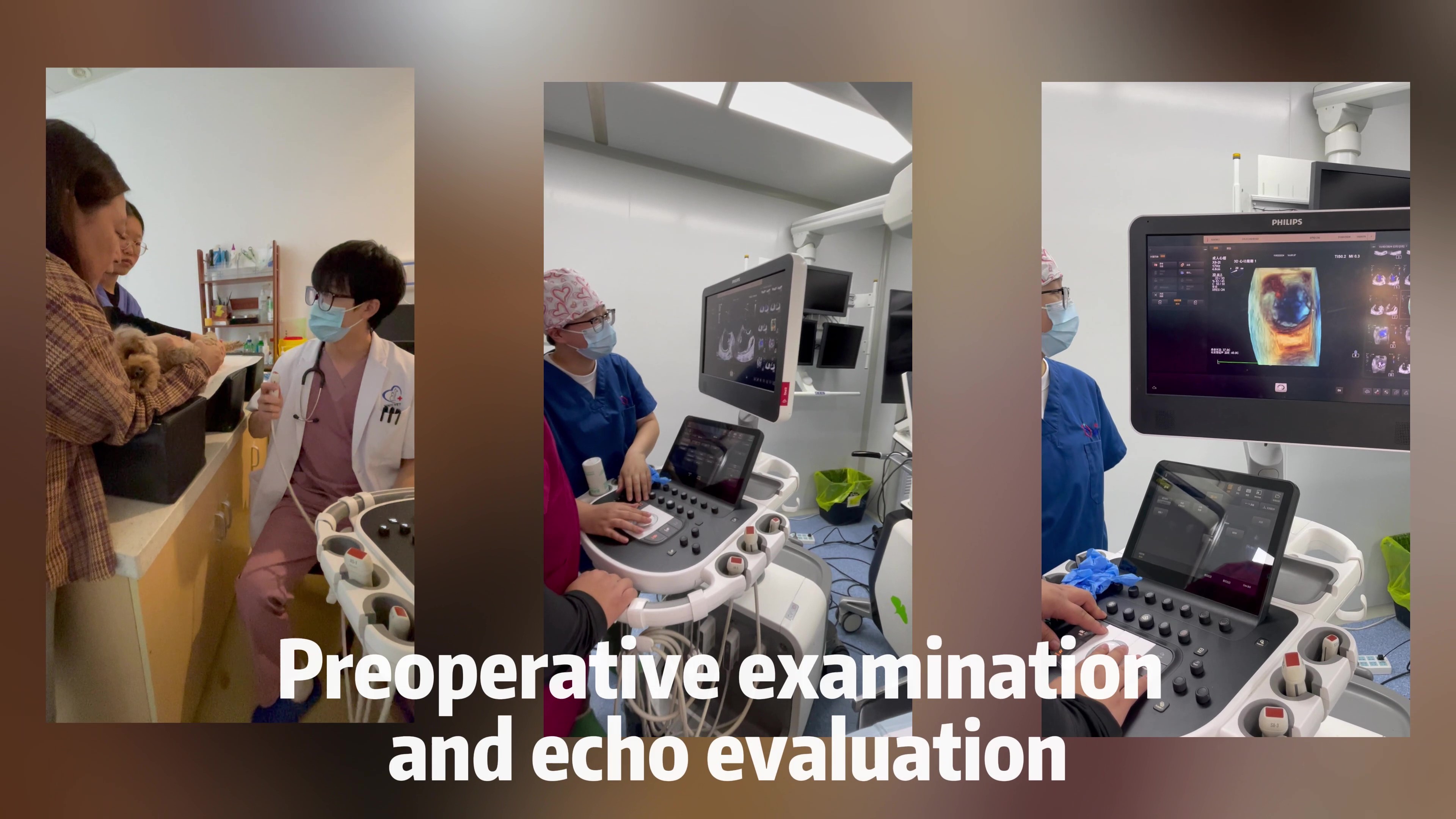 A preoperative transesophageal echocardiogram showed an enlarged mitral annulus with an AP diameter of 21.7-19.5 mm, anterior leaflet length of 16 mm, and posterior leaflet length of 9.7 mm. Prolapse was observed in segments A2 and A3, with flail in segment A1 and a regurgitation grade of 4+; regurgitant width was 4.7 mm. Leaflet tissue quality was generally good. Due to the large AP diameter and an aorto-mitral angle of approximately 20°, the procedure presented a higher risk. After discussing these risks with the doctors at Xinyu, Xiaobei’s family agreed to proceed.
Surgical Outcome
Procedure & Outcome
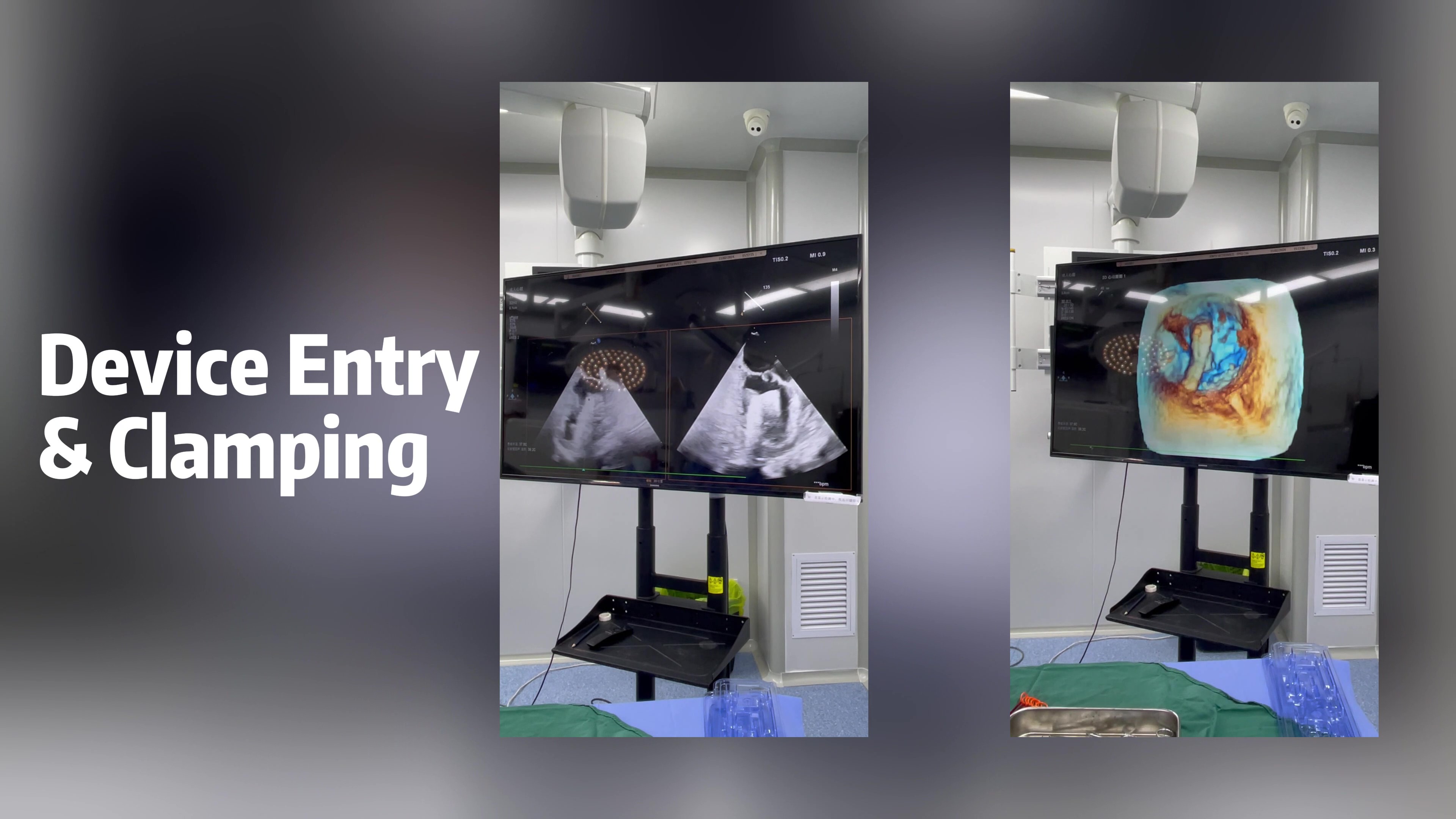
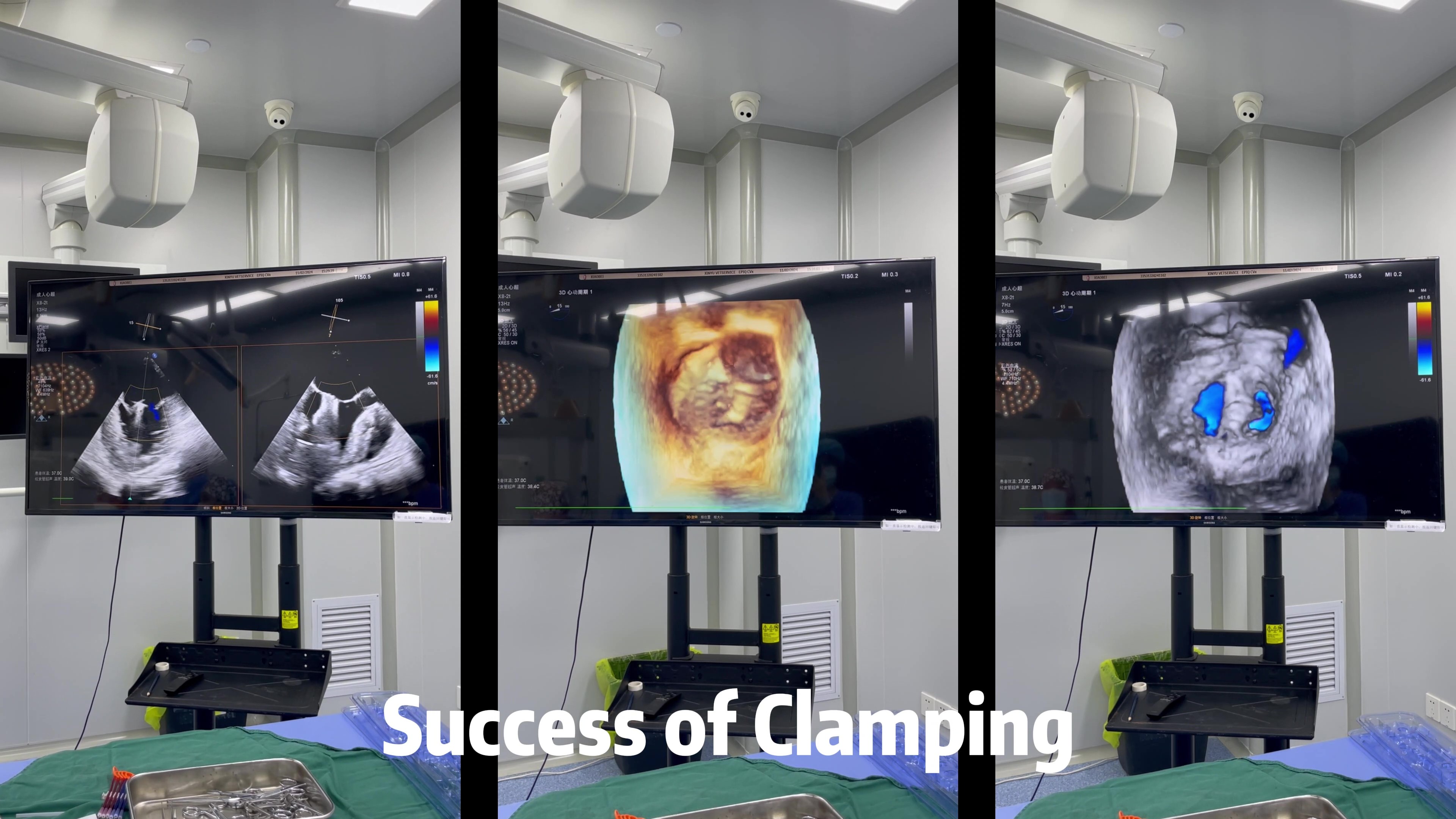
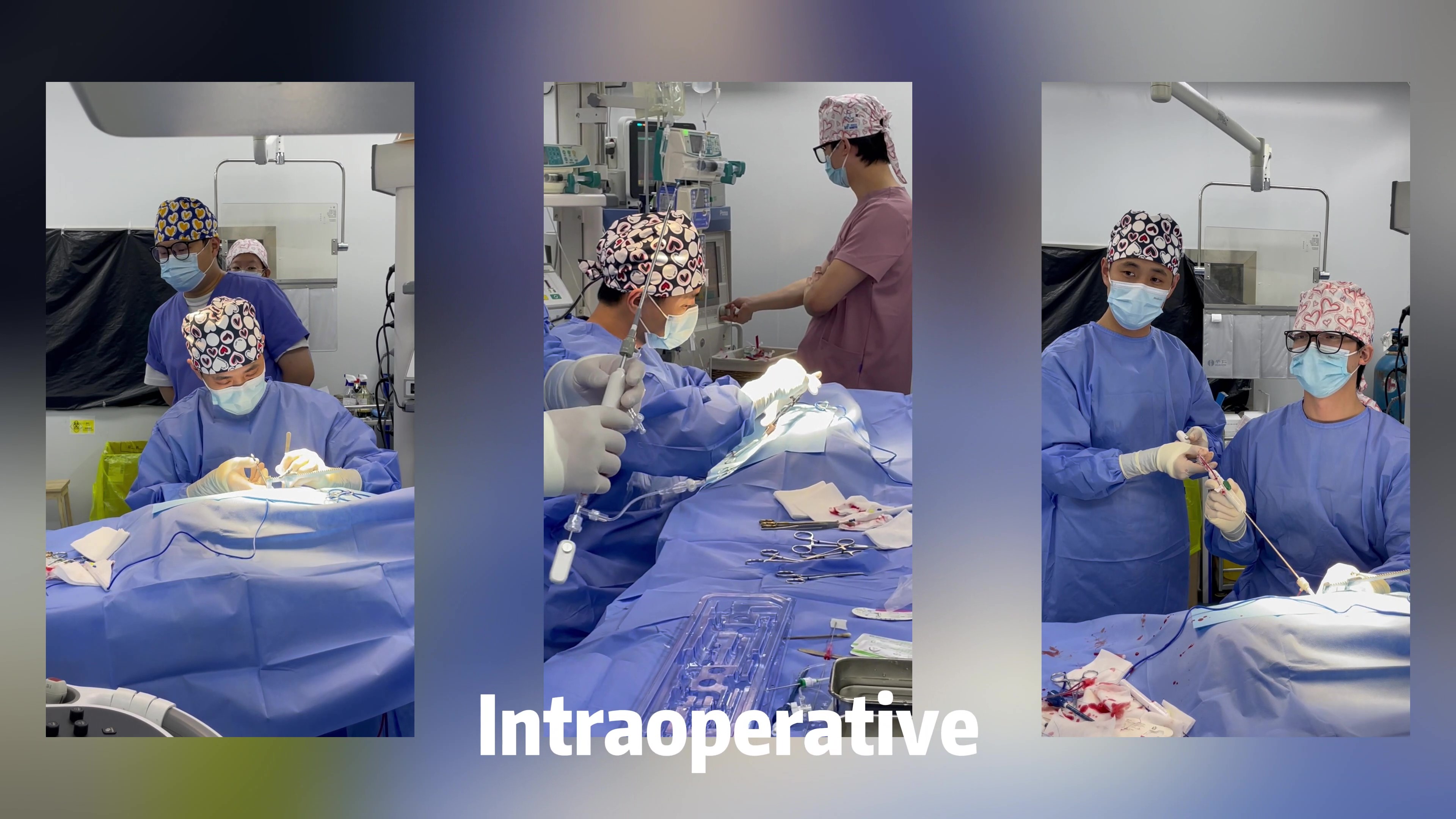
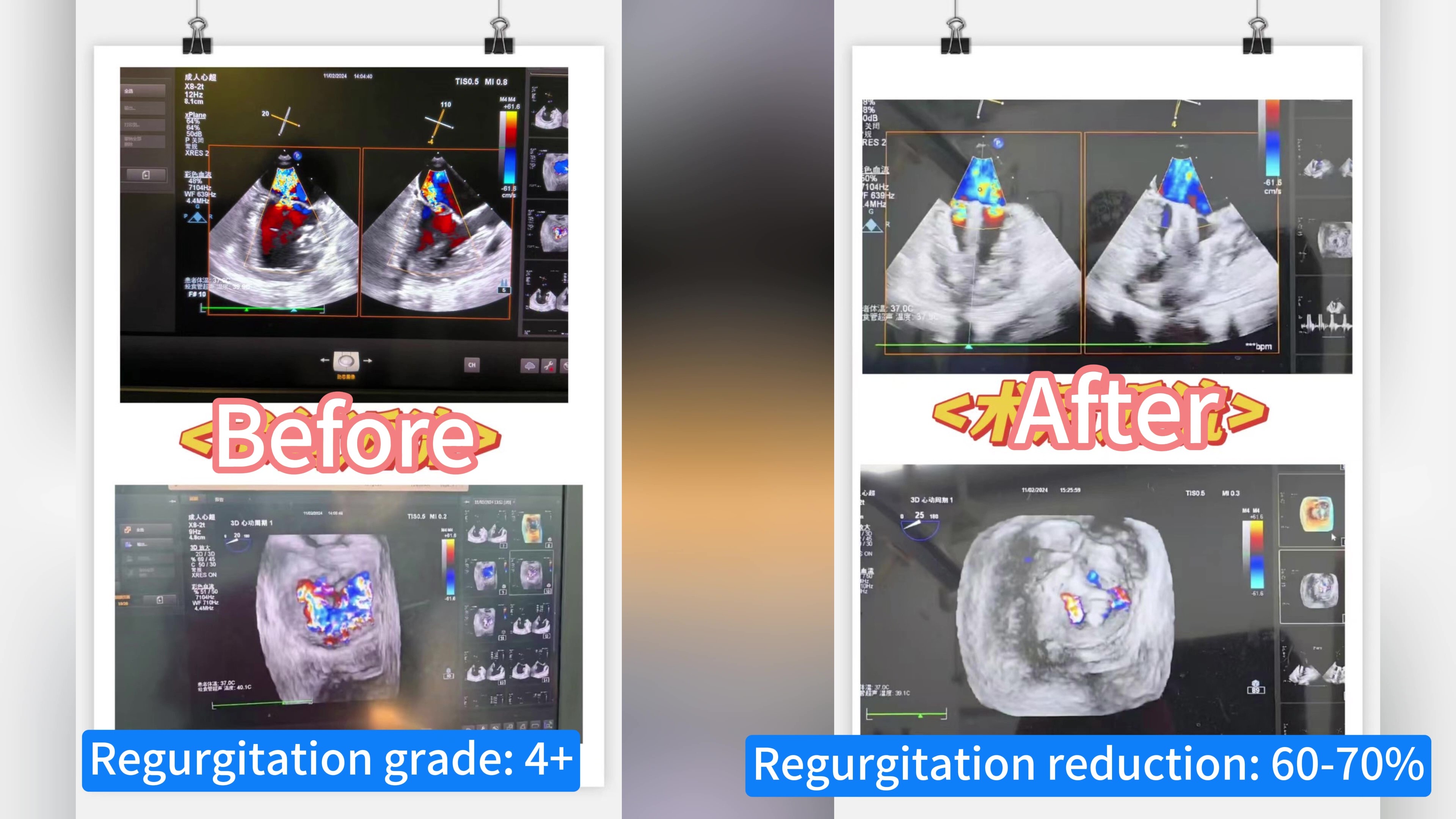 The surgery was successfully completed using a Type 4 single V-Clamp placed at the A2P2 region, reducing regurgitation by approximately 70%. Due to the aortic tilt, the clamp was positioned between the 1 o’clock and 7 o’clock orientation. Under 2D imaging, the clamp remained stable, with the anterior leaflet clasped at 9 mm and the posterior leaflet at 6 mm. 3D imaging showed an intact tissue bridge with clear dual orifices. The post-surgery mean transvalvular gradient was 1 mmHg.
Postoperative Recovery
 Xiaobei was discharged one week after surgery. By postoperative day 3, he showed marked improvement, with stable and intact tissue bridge and significantly enhanced heart function. Both left atrial and ventricular volumes had reduced, greatly improving his quality of life.
Follow-up & Insights
About Shanghai Xinyu Animal Hospital
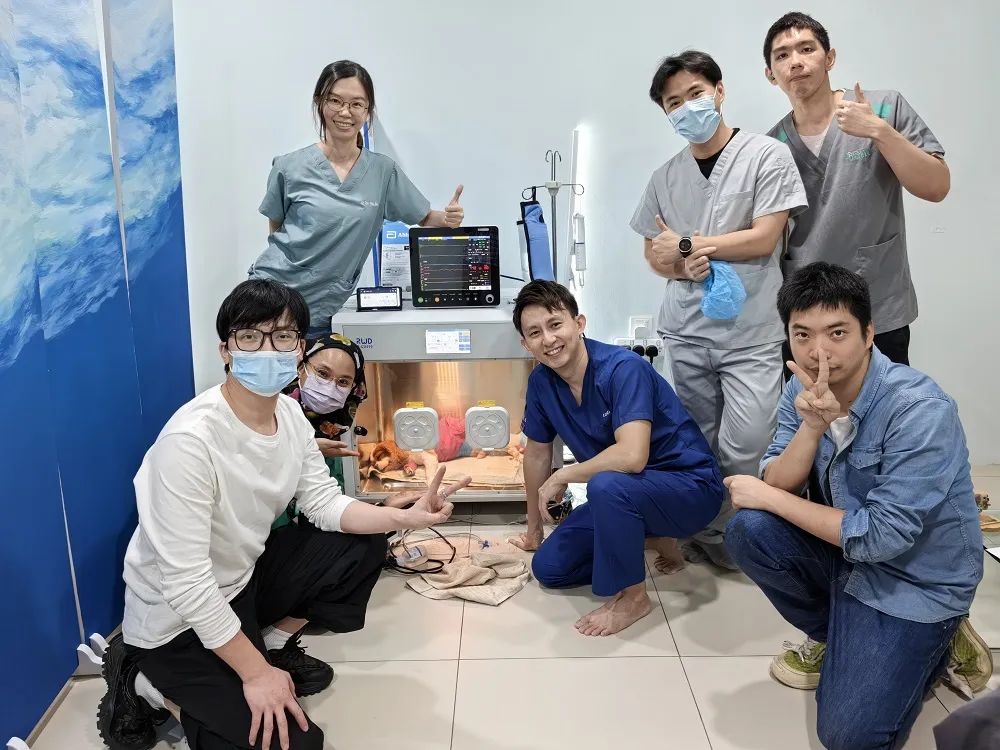
Founded in 2019, Shanghai Xinyu Animal (Cardiac Specialty) Hospital is a flagship cardiac specialty hospital under Shanghai Hongyu Medical. As the first veterinary heart hospital in China to perform minimally invasive mitral valve surgery, Xinyu provides specialized cardiac treatments and advanced services for pets nationwide. The hospital also offers training and technical support for global veterinary hospitals and medical centers, drawing on a skilled veterinary and post-care team and state-of-the-art medical equipment. Services include minimally invasive mitral valve regurgitation surgery and hands-on device training for domestic and international experts. By the end of 2023, Xinyu had provided V-Clamp technology training to over 50 hospitals worldwide.
About Shanghai Hongyu Medical
Discussion
Established in 2019, Shanghai Hongyu Medical Technology Co., Ltd. is a global leader in veterinary cardiology, focusing on the diagnosis and treatment of heart diseases in pets. With its core product, the V-Clamp for minimally invasive mitral valve disease treatment in dogs, Hongyu Medical is expanding into diagnostics, treatment, and monitoring for various cardiac conditions, offering a comprehensive solution for pet heart disease. In addition to developing, manufacturing, and selling veterinary cardiac devices, Hongyu Medical promotes collaboration and knowledge-sharing among veterinarians worldwide by providing training on heart disease diagnosis, treatment, and care for animals.